%2Ffit-in%2F250x250%2Fguide_websites%2F12776%2Fimages%2F1725554722468asd.png&w=1920&q=100)
/users/26655545-5bf1-4f33-9624-af0fd48fd7b4/ratecard/img_9482-mnckhsqm.jpeg)
%2F300x300%2Fusers%2F26655545-5bf1-4f33-9624-af0fd48fd7b4%2Fratecard%2Fimg_9482-mnckhsqm.jpeg&w=256&q=75)
%2F300x300%2Fusers%2F26655545-5bf1-4f33-9624-af0fd48fd7b4%2Fimages%2Fweldon-striped-bass-catch-2544.jpeg&w=256&q=75)
%2F300x300%2Fusers%2F26655545-5bf1-4f33-9624-af0fd48fd7b4%2Fimages%2Fstriped-bass-weldon-nc-fishing-2535.jpeg&w=256&q=75)
%2F300x300%2Fusers%2F26655545-5bf1-4f33-9624-af0fd48fd7b4%2Fimages%2Fweldon-nc-striped-bass-catch-2592.jpeg&w=256&q=75)
%2F300x300%2Fusers%2F26655545-5bf1-4f33-9624-af0fd48fd7b4%2Fimages%2Fweldon-nc-striped-bass-catch-2482.jpeg&w=256&q=75)
%2F300x300%2Fusers%2F26655545-5bf1-4f33-9624-af0fd48fd7b4%2Fimages%2Fweldon-nc-striped-bass-catch-2551.jpeg&w=256&q=75)
%2F300x300%2Fusers%2F26655545-5bf1-4f33-9624-af0fd48fd7b4%2Fimages%2Fweldon-striped-bass-catch-2579.jpeg&w=256&q=75)
%2F300x300%2Fusers%2F26655545-5bf1-4f33-9624-af0fd48fd7b4%2Fimages%2Fweldon-nc-shad-catch-2709.jpg&w=256&q=75)
%2F300x300%2Fusers%2F26655545-5bf1-4f33-9624-af0fd48fd7b4%2Fimages%2Fchannel-catfish-weldon-nc-fishing-2479.jpg&w=256&q=75)
%2F300x300%2Fusers%2F26655545-5bf1-4f33-9624-af0fd48fd7b4%2Fimages%2Fweldon-nc-shad-fishing-success-2415.jpg&w=256&q=75)
%2F300x300%2Fusers%2F26655545-5bf1-4f33-9624-af0fd48fd7b4%2Fimages%2Fweldon-nc-striped-bass-fishing-2508.jpg&w=256&q=75)
Grizzly Creek Beginner Striped Bass River Trip
 North Carolina
What you will be catching:
 Channel Catfish
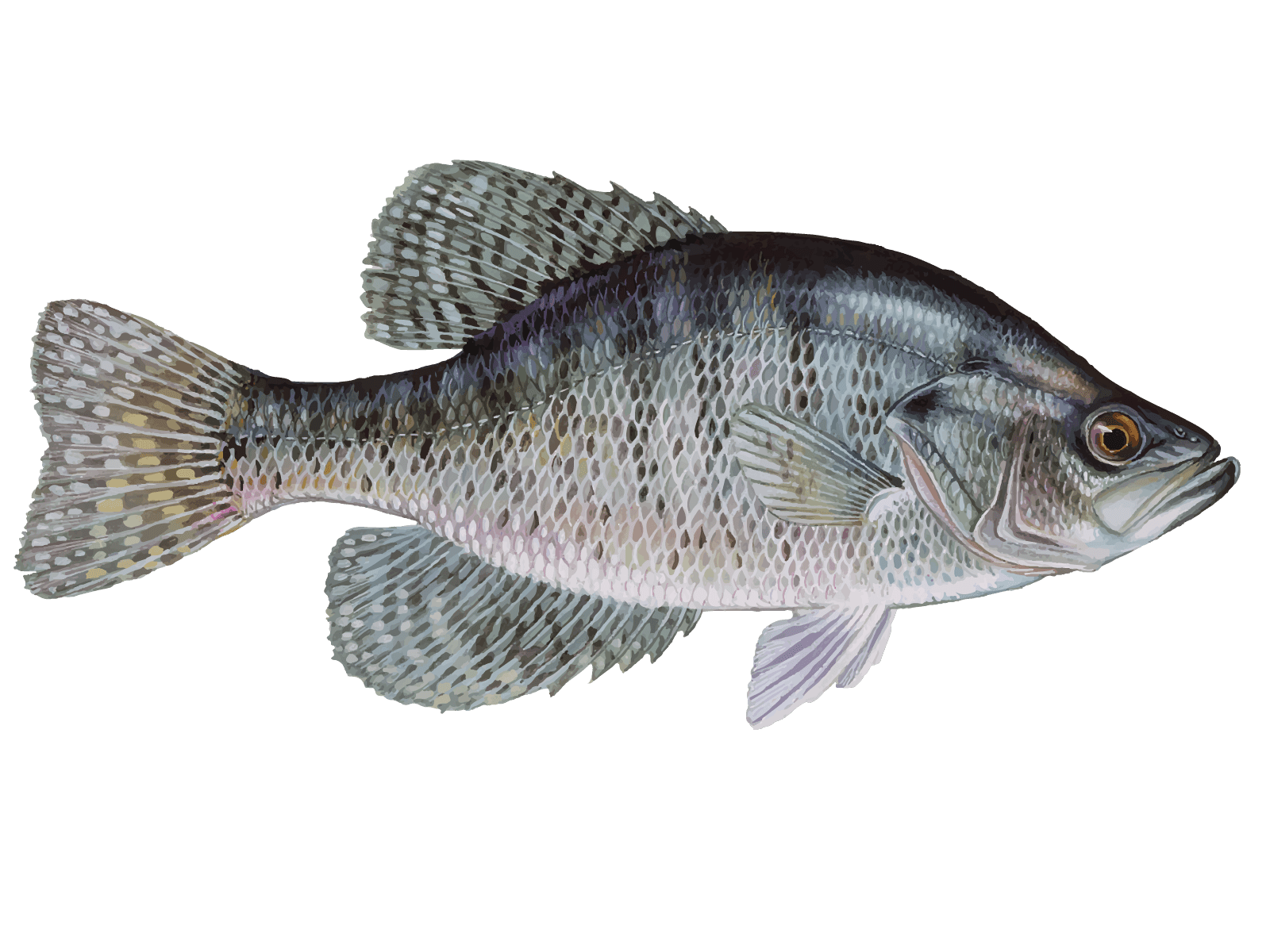
 Crappie
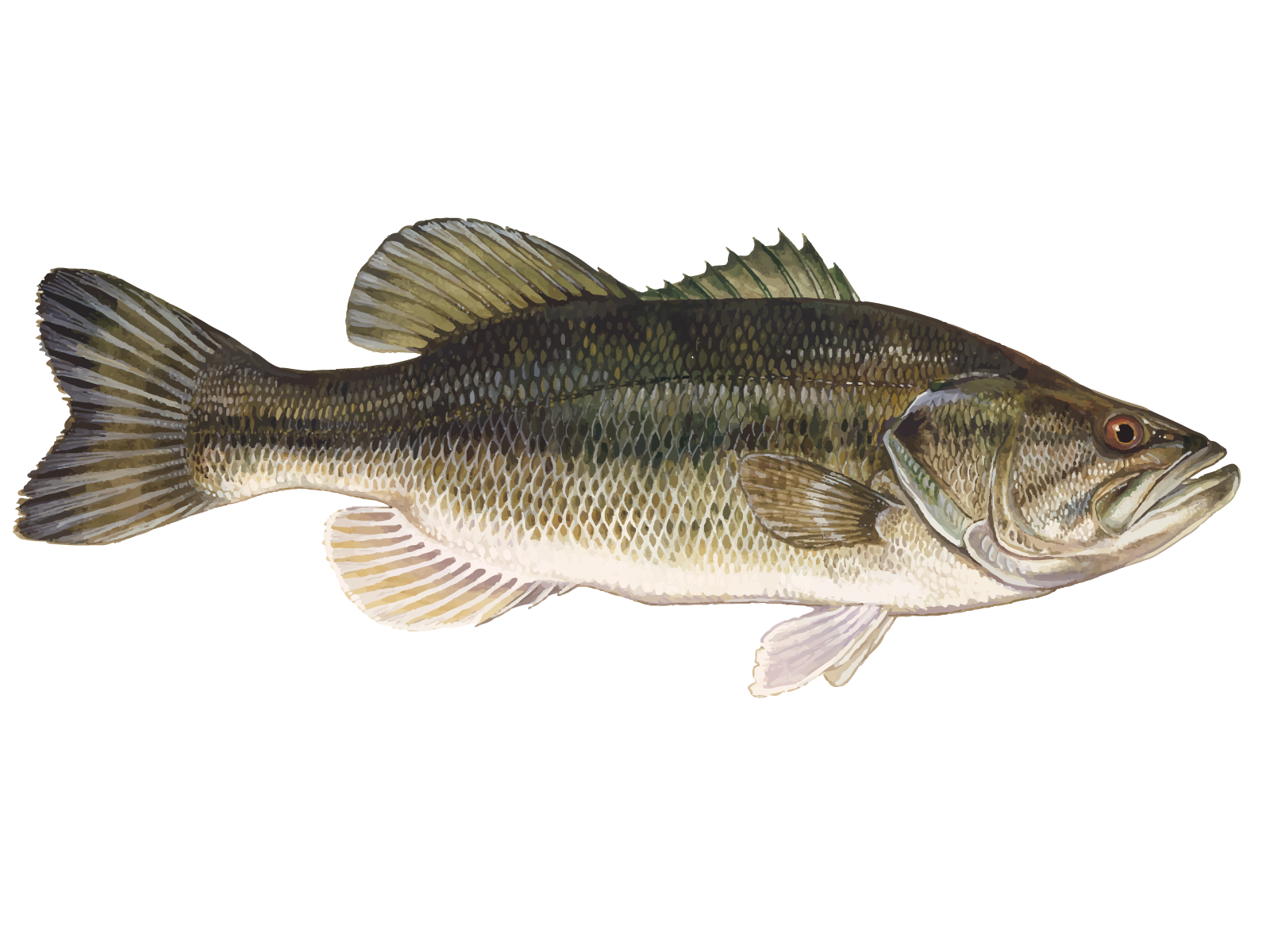 Largemouth Bass
 Spotted Bass
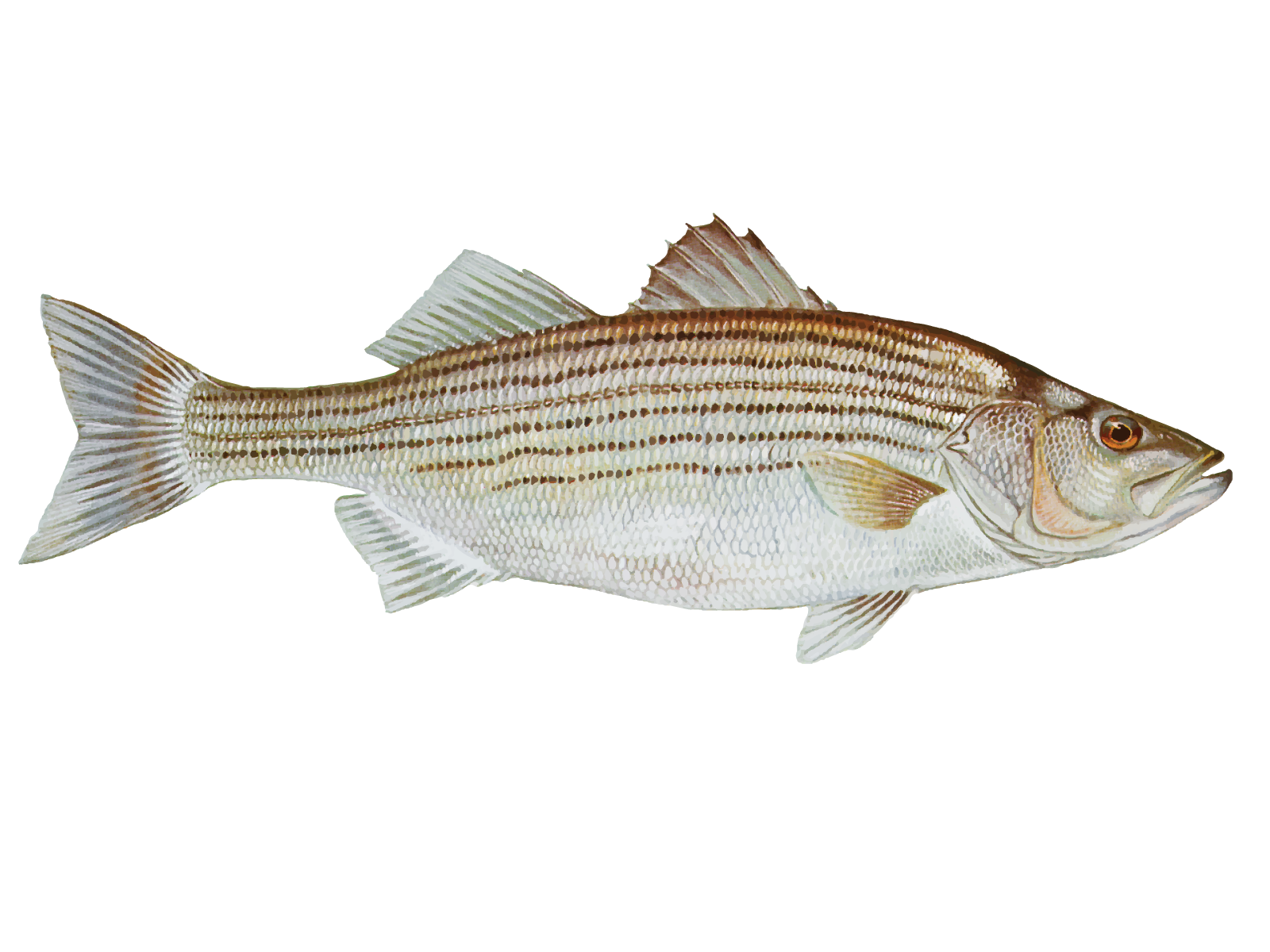 Striped Bass
- This full-day striped bass charter takes you out on North Carolina's productive rivers from sunrise to sunset with Grizzly Creek Charters. Perfect for beginners and families, you'll target striped bass and catfish while learning proven techniques from experienced local guides. Everything's included
- rods, reels, tackle, and bait
- so you can focus on fishing rather than gear. The crew provides hands-on instruction throughout the day, making sure everyone gets plenty of action regardless of skill level. With only 4 guests max, you get personalized attention and access to the best fishing spots. Great for anyone wanting to learn river fishing or just spend a relaxing day on the water.
Trip Pricing and Availabilities:
Makeup Angler Striped Bass Charter North Carolina
Looking for a solid day on North Carolina's rivers without the pressure of being a pro angler? This full-day charter with Grizzly Creek Charters is built for folks who want to learn, laugh, and land some fish. Whether you're picking up a rod for the first time or getting back into fishing after years away, our crew knows how to make your day productive and fun. We'll hit the prime spots from early morning until sunset, giving you plenty of time to dial in your technique and hopefully fill the cooler. With room for up to four guests, it's perfect for small groups who want personalized attention and real fishing instruction.
What to Expect on the Water
Your day starts early when the fish are most active and the river is quiet. Our experienced captain knows these North Carolina waters like the back of his hand and will position you over structure where striped bass, largemouth bass, and catfish like to hang out. This isn't a rush job – you've got from sunrise to sunset to really get into the rhythm of river fishing. The beauty of a full-day trip is that you can adapt to what's working. If the bass are hitting topwater in the morning shallows, we'll work that pattern. When the afternoon heat pushes fish deeper, we'll adjust our approach and target different areas. You'll learn to read the water, understand seasonal patterns, and pick up techniques that'll serve you long after this charter ends. The relaxed pace means there's time for instruction, practice, and those moments when everything clicks.
Gear and Techniques
Everything's provided, so you can focus on fishing instead of worrying about tackle. We supply quality rods, reels, and all the terminal gear you'll need, from hooks and weights to fresh bait and proven lures. You'll learn multiple techniques throughout the day – maybe starting with live bait presentations for striped bass in deeper holes, then switching to crankbaits or soft plastics when working structure for largemouth bass. Our guides will show you proper casting mechanics, how to feel what your bait is doing underwater, and when to set the hook. Channel catfish often require a different approach altogether, with bottom rigs and patience being key. The hands-on instruction is what sets this apart from just going out and hoping for the best. By the end of the day, you'll understand not just what works, but why it works in these specific conditions.
Top Catches This Season
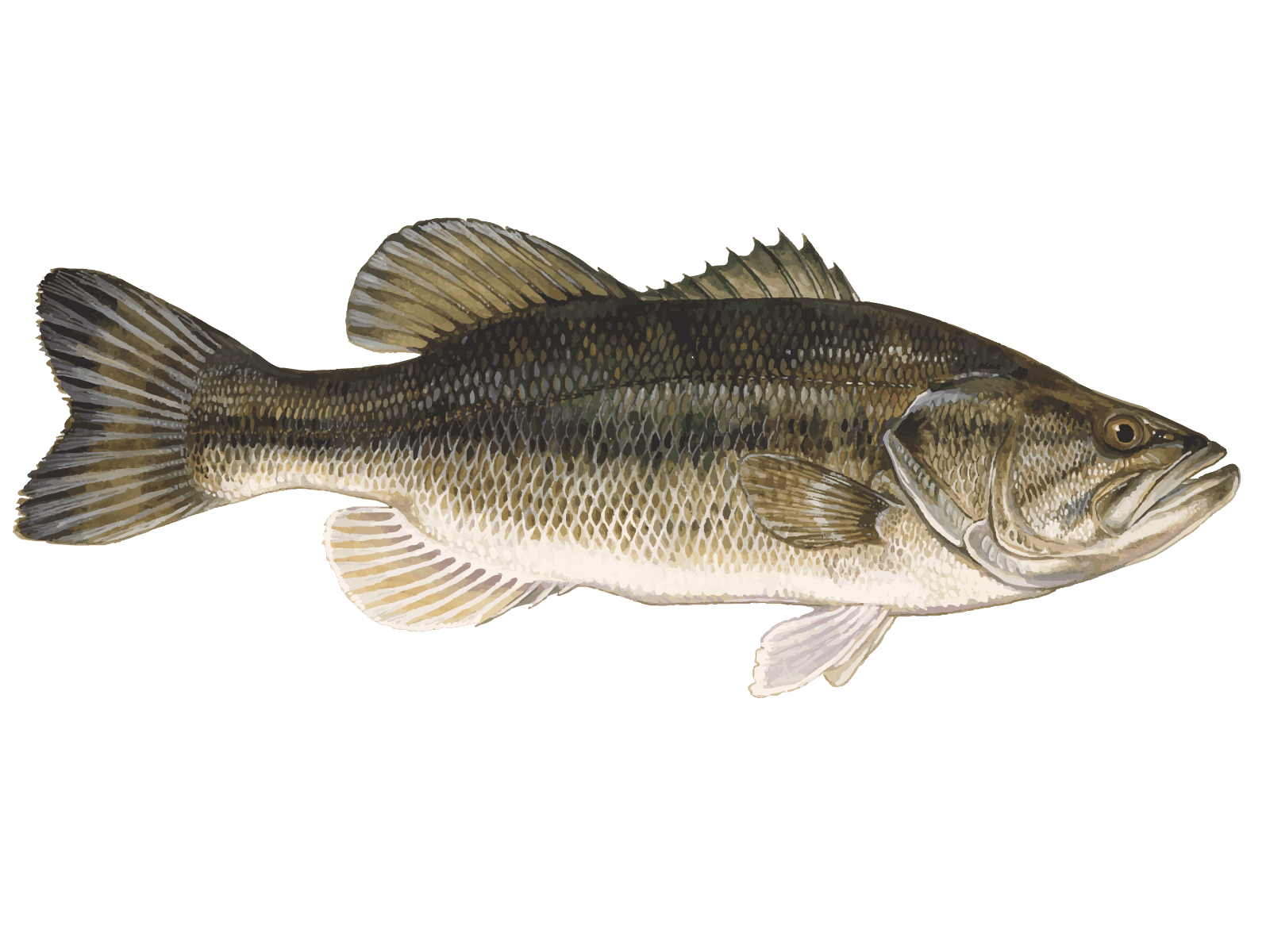
Our target species list reads like a greatest hits of North Carolina river fishing, and each one offers something different to get excited about. Largemouth bass are the classic freshwater gamefish that every angler should experience. These fish are aggressive, smart, and put up a memorable fight. In North Carolina rivers, they're typically most active during spring and fall when water temperatures are in that sweet spot between 65-75 degrees. You'll find them around fallen trees, rocky points, and vegetation edges. What makes largemouth special is their willingness to hit topwater lures – there's nothing quite like watching a bass explode on a surface plug in the early morning calm. They're also great for beginners because they're forgiving and will often give you multiple chances if you don't hook them on the first strike.
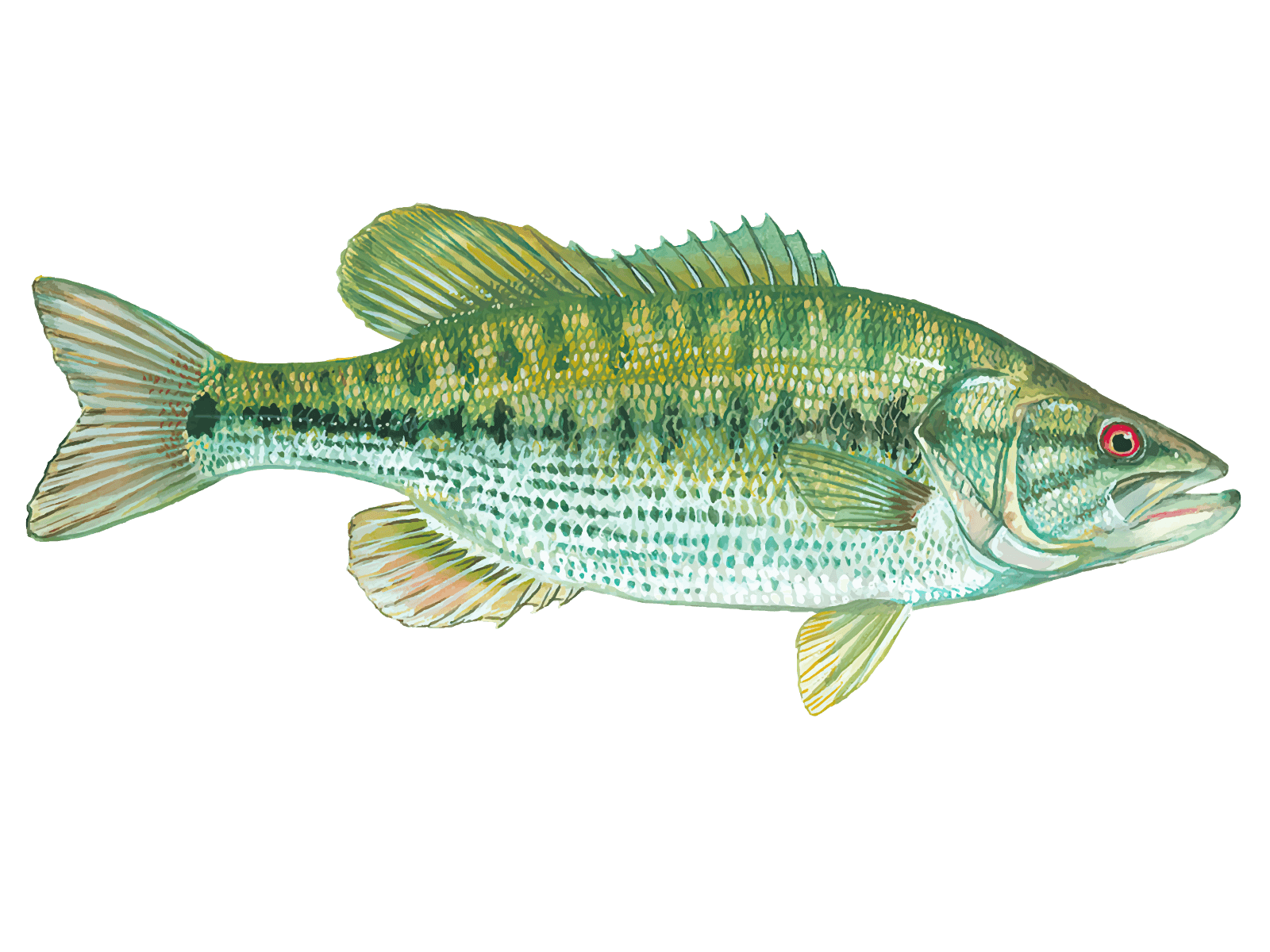
Spotted bass might look similar to their largemouth cousins, but they're scrappy fighters with their own personality. These fish prefer current and rocky bottom, making North Carolina's river systems perfect habitat. They school up more than largemouth bass, so when you find one, there's usually more nearby. Spots are excellent for learning technique because they're less finicky about presentation than some species. They'll hit crankbaits, jigs, and soft plastics with enthusiasm, especially during their spring and fall feeding periods. Many anglers become spotted bass converts after feeling that distinctive head-shaking fight they're known for.
Crappie are the perfect species for anglers who want consistent action and excellent table fare. These schooling fish are predictable once you understand their patterns, making them ideal for building confidence. In North Carolina rivers, they move shallow in spring for spawning, then retreat to deeper structure during summer heat. Fall brings another excellent bite as they feed heavily before winter. Crappie fishing teaches patience and finesse – you'll learn to detect subtle bites and work small jigs or minnows with precision. When you locate a school, the action can be fast and steady, making for exciting fishing that keeps everyone engaged.
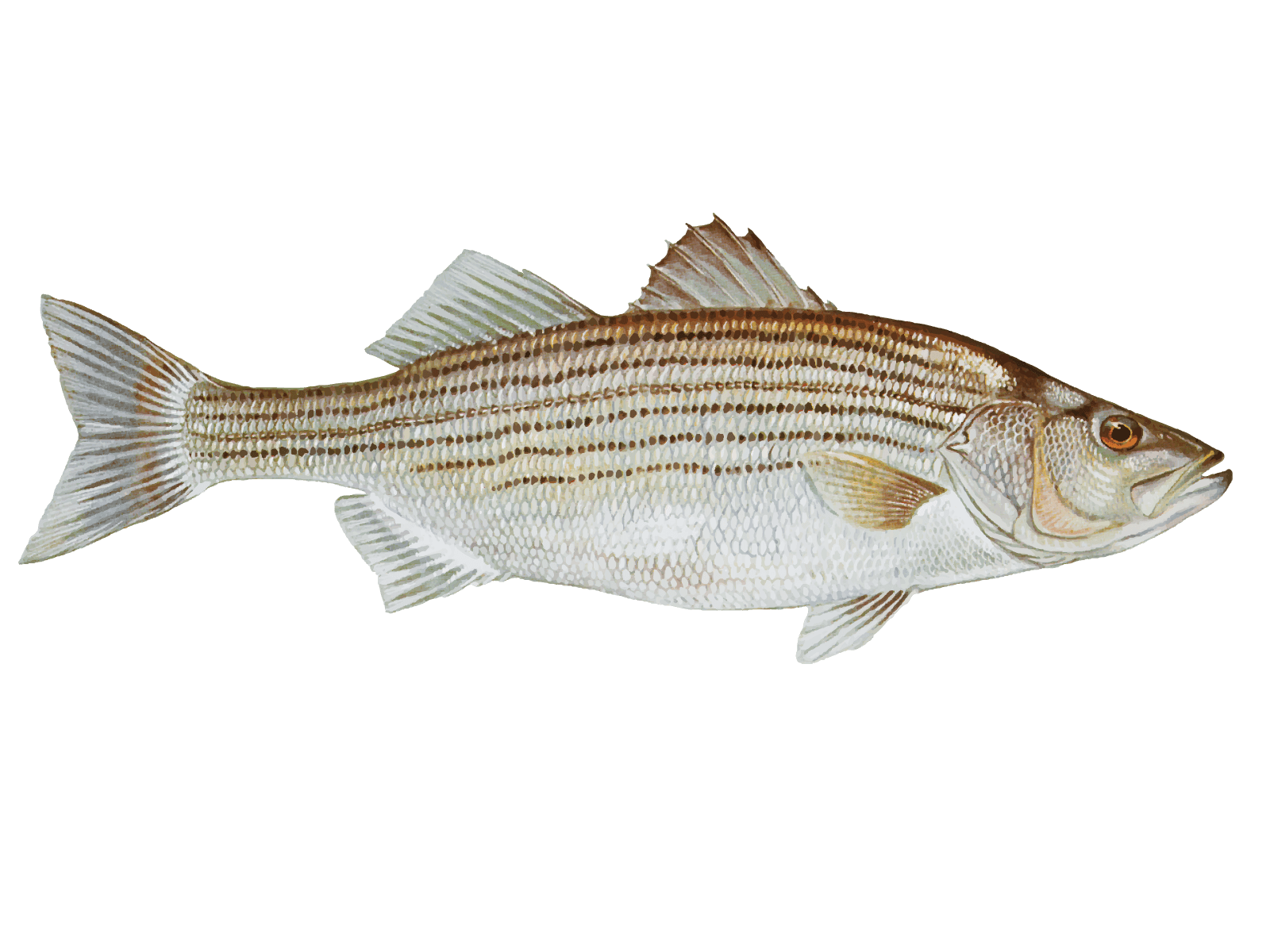
Striped bass are the heavyweight champions of this trip, and landing one is always a highlight. These fish are built for power, making long runs and testing your drag system. In North Carolina rivers, stripers are often found in deeper pools and around current breaks where they ambush baitfish. They're most active during cooler months and low-light periods, which is why we start early. Striped bass can be particular about presentation, so you'll learn to vary your retrieve speed and depth until you find what triggers strikes. When you hook a good striper, everyone on the boat gets excited – they're that impressive.
Channel catfish round out the mix with their own brand of fun. These whiskered fighters are perfect for teaching patience and proper bottom fishing techniques. Catfish are most active during warmer months and feed heavily at night, but our daytime techniques can still produce excellent results. They're found around deeper holes, fallen timber, and areas where current creates food collection points. What's great about targeting catfish is that they're usually willing biters once you put bait in the right spot. Their powerful runs and bulldogging fights surprise many first-time catfish anglers, and they're outstanding table fare when prepared properly.
Time to Book Your Spot
This makeup angler charter represents everything we love about river fishing – the learning, the variety, and the satisfaction of a full day well spent on the water. You'll leave with new skills, confidence, and hopefully some great fish stories. Our experienced crew ensures that beginners feel comfortable while challenged anglers still find plenty to learn. With all gear provided and instruction tailored to your group's needs,
Learn more about the species
Channel Catfish
Channel catfish are perfect for beginners and families - they're aggressive feeders that can reach 20+ pounds in North Carolina waters, though 2-8 pounders are more common. These whiskered fighters prefer deeper holes, structure, and muddy bottoms in our rivers and lakes. Their barbels help them locate food in murky water using taste and smell. Summer nights are prime time, but they bite year-round since they're more active in warmer water. What makes them special is they're practically guaranteed action - they'll eat almost anything and fight hard once hooked. Plus, they're some of the best eating fish around when prepared right. My go-to trick is stinkbait or chicken liver fished on bottom near structure. Their mouths are tough, so use sharp hooks and don't be afraid to set hard when you feel that tap.
Crappie
Crappie are some of the best eating fish in North Carolina waters, running 7-12 inches and averaging half a pound to a pound. We've got both black and white crappie - blacks prefer clearer water while whites handle murky conditions better. Look for them around fallen trees, brush piles, and structure in 8-15 feet of water. Spring spawning when water hits the low 60s is absolutely prime time, but they bite year-round if you find their depth. Dawn and dusk are best since they're less active during bright daylight. Guests love them because they travel in schools - catch one and there's usually more nearby. The delicate, flaky white meat is outstanding fried or baked. My local tip: use small jigs or live minnows under a bobber around structure, and be patient when they bite - let them take it fully before setting the hook.
Largemouth Bass
North Carolina's largemouth bass run 12-24 inches and 1-4 pounds on average, though bigger ones definitely show up. You'll find them around fallen trees, weed beds, and structure in our lakes and slower river sections. They love shallow, warmer water with plenty of cover. Spring through fall are prime times, especially early morning and late evening when they're actively feeding. What makes them special is that famous fight - they'll jump and run hard when hooked. Plus, they're excellent eating when cleaned properly. My local tip: throw red lures or anything that mimics crawfish around rocky areas. Their oversized mouths can handle bigger baits than you'd expect, and they use those lateral lines to detect vibrations, so keep your presentation moving.
Spotted Bass
Spotted bass are scrappy fighters that typically run 12-20 inches in North Carolina waters. Unlike largemouth, they prefer clearer water with rocky or gravel bottoms in our rivers and streams. You can tell them apart by their connected dorsal fin and the dark spots along their belly. Spring spawning season when water hits 60°F is peak time, but they bite year-round. These fish school up more than largemouth and love structure like rock piles and drop-offs. What guests love is their aggressive nature - they'll hit just about anything and fight harder than their size suggests, diving deep instead of jumping. They're excellent table fare too. My go-to trick is using smaller crankbaits around rocky structure. They can't handle low oxygen in cold water, so focus on well-oxygenated areas.
Striped Bass
Striped bass are the main attraction here - powerful fish that average 20-40 pounds in North Carolina waters, though they can get much bigger. Those distinctive dark stripes make them easy to identify. They're structure-oriented, hanging around drop-offs, points, and moving water near shorelines. Being anadromous, they move between salt and fresh water, and many are landlocked in our river systems. Spring and fall are peak times when they're actively feeding, especially during their migration periods. Early morning and late evening produce best results. What guests love is the strong fight they put up and their excellent eating quality - sweet, meaty flesh that's hard to beat. My local trick is using live or cut bait like herring or shad near current breaks. They can be picky, so match your bait to what they're feeding on that day.
About the Carolina Skiff boat
%2F%2Fusers%2F26655545-5bf1-4f33-9624-af0fd48fd7b4%2Fvehicle_picture%2Fimg_9358-1-mnciagfl.jpeg&w=1920&q=75)
Vehicle Guest Capacity: 5
Manufacturer Name: Yamaha
Maximum Cruising Speed: 40
Number of Engines: 1
Horsepower per Engine: 115